
Lab Grown Diamonds: What They Actually Are, and How to Decide If One Is Right for You
Lab Grown Diamonds: What They Actually Are, and How to Decide If One Is Right for You
The jewelry industry has not seen a disruption quite like lab-grown diamonds in a very long time. In the span of a decade, what was once a niche scientific curiosity has become a mainstream choice for engagement rings, fine jewelry, and even investment pieces — with price points that have dropped dramatically and quality that is, in many cases, indistinguishable from mined diamonds without specialized equipment. So where does that leave the buyer who just wants to make the right decision?
Right here. Let's go through what lab-grown diamonds actually are, how they differ from mined stones, what the honest trade-offs look like, and how to figure out which path makes sense for you.

What Lab-Grown Diamonds Actually Are — The Science Behind the Sparkle
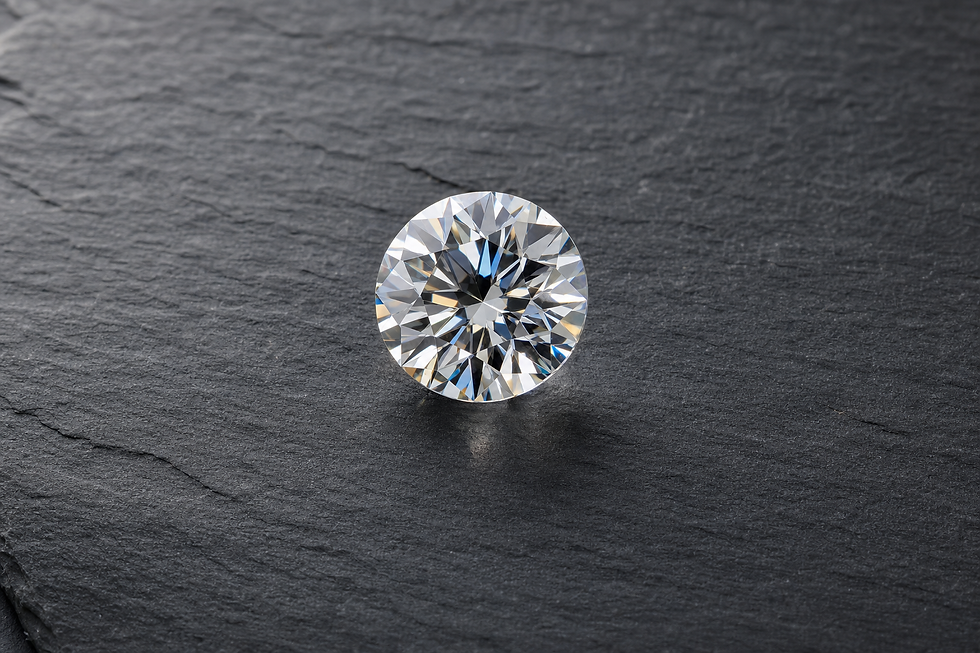
A lab-grown diamond is chemically, physically, and optically identical to a mined diamond. Same crystal structure. Same hardness (10 on the Mohs scale). Same brilliance, same fire, same ability to scratch glass and every other material on earth. The GIA certifies them, the FTC recognizes them as real diamonds, and a trained gemologist cannot tell the difference with the naked eye — only with specialized equipment that detects trace differences in the growth process.
There are two methods used to grow lab diamonds. HPHT (High Pressure High Temperature) replicates the extreme conditions deep in the earth's mantle where natural diamonds form — carbon subjected to roughly 1.5 million pounds of pressure per square inch and temperatures exceeding 2,700°F. CVD (Chemical Vapor Deposition) grows diamonds from a carbon-rich gas in a controlled chamber, building the crystal layer by layer. Both methods produce genuine diamond. The resulting stones are graded on the same 4Cs scale as mined diamonds: cut, color, clarity, and carat.
Lab-Grown Diamonds vs. Mined Diamonds: The Real Differences
The honest answer is: not much, optically or materially. But the differences that do exist are significant enough to inform your decision.
Price: The Most Obvious Lab-Grown Diamonds Trade-Off
Lab-grown diamonds typically cost 40-60% less than their mined counterparts of equivalent quality. For a one-carat diamond with comparable color, clarity, and cut, you might pay $3,000-$5,000 for a lab-grown stone versus $6,000-$10,000+ for a mined diamond. That's not a marketing angle — it's a real financial difference.
Why the price gap? Production is faster and more controlled. There's no mining, no geological lottery waiting for the right conditions. You can engineer the exact stone you want in weeks instead of waiting for nature to cooperate over millions of years. Supply chains are shorter. Overhead is lower. For buyers, that means you can either spend significantly less for the same quality, or invest the same amount and get a much larger or higher-quality stone.

Origin and Storytelling
Here's where things get personal. A mined diamond comes with a narrative. It's billions of years old. It survived geological upheaval, traveled hundreds of miles through the earth, and was pulled out of the ground just for you. That story has weight for some people. It's not superficial — narrative matters, especially for an heirloom piece.
Lab-grown diamonds don't have that story. They're modern. They're engineered. Some people find that story equally compelling: you made a conscious choice for a stone that doesn't require mining, that's guaranteed conflict-free, and that's available on demand. For others, the lack of geological history feels like it's missing something.
There's no objectively correct answer here. It depends on what resonates with you.
Environmental and Ethical Considerations
Lab-grown diamonds require significantly less environmental impact than mined diamonds. No open-pit mining, no displaced earth, no water pollution from mining operations, no carbon-intensive extraction process spread across continents. The energy to grow a diamond is contained, measurable, and increasingly powered by renewable sources.
That said, lab-grown diamonds are not zero-impact. They consume electricity, and depending on the energy grid powering the lab, that footprint varies. But a lab-grown diamond will always have a smaller environmental impact than a mined one.
Ethically, lab-grown diamonds sidestep the "conflict diamond" problem entirely. You don't have to worry about whether your stone funded armed conflict or was mined under exploitative labor practices. That's a meaningful advantage for conscientious buyers.
The caveat: the mined diamond industry has improved. Most diamonds sold today come from countries with strong labor regulations and environmental oversight. The "blood diamond" issue of the 1990s-2000s is less prevalent now, though it hasn't disappeared entirely. But lab-grown diamonds remove the problem altogether.

Resale Value and Long-Term Value
This is where the comparison gets complicated. Mined diamonds hold their value better in the resale market — sometimes much better. A well-cut one-carat mined diamond might resell for 60-70% of its original retail price. Lab-grown diamonds currently resell for 30-50% of what you paid.
Why the difference? Market perception. Rarity. The fact that the supply of lab-grown diamonds is essentially unlimited, whereas the supply of mined diamonds is finite. If you're buying a diamond as an investment or heirloom to pass down with confidence in its value, mined diamonds have the historical track record.
But here's the nuance: the lab-grown diamond market is still young. Resale prices and demand could shift. Some experts predict that as lab-grown diamonds become more common and normalized, their resale value will stabilize and improve. Others think the value gap will persist because rarity (and the perception of rarity) is baked into how we value diamonds.
If you're buying purely for investment potential, mined diamonds are the safer bet today. If you're buying for personal wear and the resale value is secondary, this difference matters less.
Gem Spotlight: Paraíba Tourmaline
If you're exploring lab-grown diamonds and thinking about colored stones, let me introduce you to one of the most mesmerizing discoveries in gemstone history: Paraíba tourmaline. First found in Brazil in 1989, these electric blue and green tourmalines absolutely glow under light — the copper content creates this neon-like luminescence that seems almost otherworldly. What makes Paraíba tourmalines special is their rarity and intensity. Unlike many gemstones, they haven't been lab-grown to scale, which means every stone carries the authenticity and provenance that collectors crave. The color ranges from vivid sky blue to deep teal to greenish-blue, and each stone is as unique as a fingerprint. If you're drawn to lab-grown diamonds for their value and ethics, but also curious about colored gemstones, Paraíba tourmalines offer something entirely different — a natural rarity that tells its own story.

Durability and Longevity
This one is simple: there's no difference. A lab-grown diamond will last just as long as a mined one. It won't degrade, yellow, or weaken over time. It will pass through your hands, your children's hands, and beyond with the same durability it had on day one. Both will outlast you by centuries.
How to Decide: Lab-Grown or Mined?
Here are the questions to ask yourself:
What's your budget, and what do you want to prioritize?
If you want maximum size and quality for your money, lab-grown wins. If budget is unlimited and you want the prestige of a mined diamond, go mined.
Does the origin story matter to you?
If the age and rarity of the stone appeals to you emotionally, a mined diamond delivers that. If you prefer a modern, engineered, conflict-free story, lab-grown is more aligned with your values.
Are you buying this as an investment or as a personal piece?
Investment → mined. Personal wear → either works, but you save money with lab-grown.
Do environmental and ethical considerations weigh on you?
Lab-grown has the clear advantage here, though mined diamonds from reputable sources are becoming increasingly responsible.
How important is resale value?
If you might need to sell down the road and want the best recovery of your investment, mined diamonds are more predictable. If this is a forever piece, resale value is irrelevant.
The Bottom Line
Lab-grown diamonds are not a compromise. They're a genuine alternative that makes sense for different reasons and different people. They're real diamonds in every way that matters scientifically. They're dramatically cheaper. They're ethically cleaner. They don't carry the same cultural weight or resale value as mined diamonds.
The "right" choice depends on your values, your budget, and what story you want your diamond to tell. There's no wrong answer — only the answer that's right for you.
Ready to Explore Your Options?
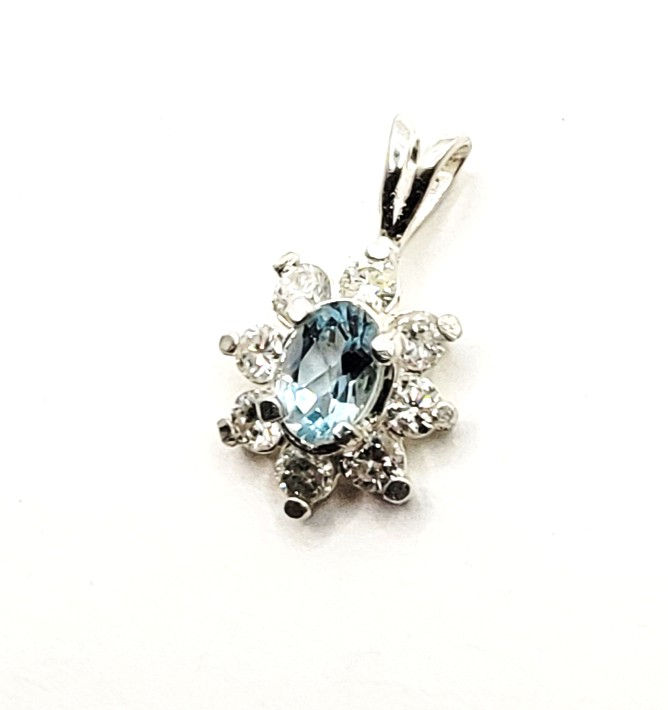
If you're drawn to lab-grown diamonds and want a setting that truly showcases the stone, that's where custom design becomes powerful. Whether you're working with a lab-grown diamond or exploring colored gemstones like those we mine and craft here in Colorado, the right setting can elevate your piece from beautiful to unforgettable.
At Robert Michael Gems, we specialize in creating custom jewelry that highlights the gemstone — not the other way around. We'd love to help you bring your vision to life, whether that's a lab-grown diamond engagement ring, a colored stone statement piece, or something entirely unique to your story.
If you're shopping, get both types of diamonds evaluated side by side. See which one speaks to you. The best diamond is always the one you feel good about wearing.
---
Robert Michael Gems — Specializing in Colorado Gemstones®


Comments